External temperature probe for magnetic stirrer UK: A Practical UK Lab Guide
Direct UK answer first
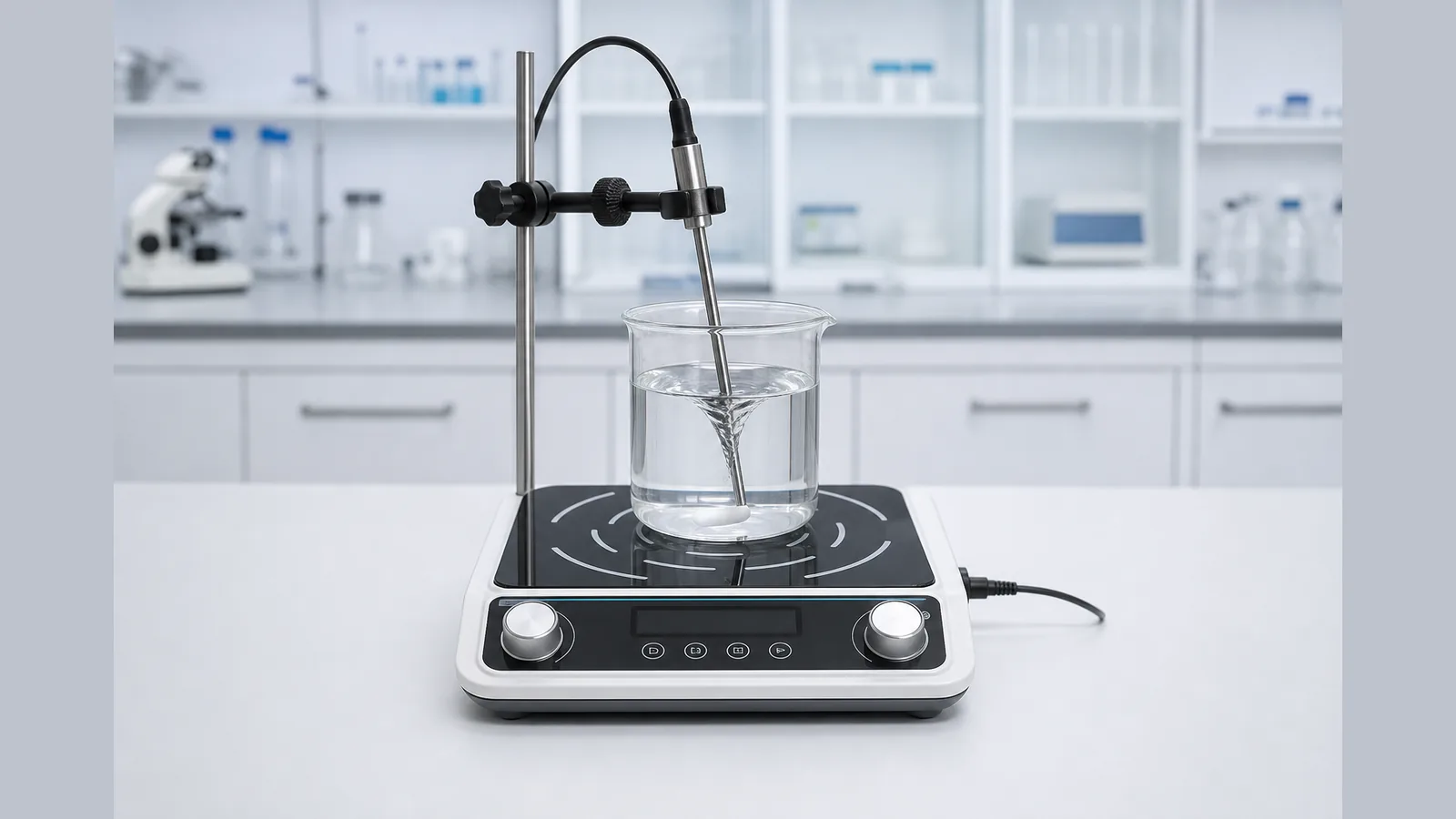
For UK labs comparing an external temperature probe for magnetic stirrer UK setups, the practical route is a compatible combination hotplate stirrer that accepts a probe accessory so vessel temperature can be monitored while stirring, rather than relying on plate surface readings alone. Hotplate accessories such as temperature probes are sold to work with compatible combination hotplate stirrers or conventional hotplates, alongside rods, clamps and related fittings.
What the HS5C-class digital hotplate stirrer is for
An HS5C-class digital hotplate stirrer is positioned for routine heating and magnetic stirring of liquid samples where controlled mixing and temperature feedback matter. Listing-verified positioning for the JOANLAB HS5C covers a ceramic plate, an external temperature probe, and a stated 3L class capacity. That combination suits common prep, dissolution and reaction work when your local SOP calls for simultaneous stirring and probe-based temperature observation.
Separately, magnetic stir bars remain the consumable that couples drive magnets to the liquid; example catalogue items include short bars such as a 10 mm Fisherbrand magnetic stir bar. Probe use and stir-bar choice are complementary, not interchangeable.
Claim-safe specs: only listing-verified plate/RPM/probe facts
Keep claims limited to what the on-site listing actually states. For the JOANLAB HS5C digital hotplate stirrer, verified points are:
- Ceramic plate
- External temperature probe
- Stated 3L class capacity
Do not treat marketing pages, third-party catalogues or similar models as proof of maximum temperature, RPM, accuracy or chemical resistance unless those figures appear in the verified listing text you are using. If a figure is missing on-site, leave it out of procurement notes and ask the supplier for written confirmation.
Safety and lab practice notes
Probe-enabled stirring still needs local COSHH assessment and written SOPs; this guide is not a substitute for either. Position the probe so it measures the liquid, not the plate edge, and keep leads clear of rotating bars and hot surfaces. Some magnetic mini-stirrers include a holder in the base so measurements can be taken safely while stirring continues; that design pattern illustrates why stable probe mounting matters, even when you use a different brand’s hotplate stirrer.
Confirm voltage, plug type and accessory fit for your UK bench before first use, and follow the manufacturer’s instructions for probe connection and cleaning.
Checklist or decision steps
- Confirm you need vessel-temperature feedback (external probe) rather than plate-only control.
- Check that the hotplate stirrer listing explicitly includes or supports an external temperature probe.
- Match capacity class to your typical vessel volume; for HS5C-class units, treat the stated 3L class capacity as the listing benchmark only.
- Note plate type (ceramic on the HS5C listing) against your solvent and cleaning regime under local SOP.
- Plan stirrer bars and clamps as separate accessories from compatible suppliers where needed.
- Document COSHH controls, PPE and spill response before commissioning.
- Record any missing RPM or temperature limits as “not verified on listing” until the supplier confirms them in writing.
Next step to product detail
If you are shortlisting a ceramic-plate digital unit with an external temperature probe and stated 3L class capacity, review the current product details for the digital magnetic stirrer hot plate (3L class) and compare those listing facts against your lab’s SOP before purchasing.
FAQ
What does an external temperature probe add on a magnetic stirrer?
It lets you monitor (and, where the instrument supports it, control against) the sample temperature rather than inferring conditions only from the hotplate surface. Accessories such as temperature probes are commonly offered for compatible combination hotplate stirrers.
Can I use any probe with any stirrer?
No. Fit, connector and control electronics must match the instrument. Use only accessories the manufacturer lists as compatible, and treat third-party “similar” probes as unverified until confirmed.
Are max temperature and RPM published for every model?
Not always in a form you should repeat. For the HS5C-class listing used here, rely only on ceramic plate, external probe and 3L class capacity; use confirmed details numerical limits.
Do I still need stir bars if I have a probe?
Yes. The probe senses temperature; a magnetic stir bar provides mixing. Choose bar size for your vessel and viscosity under local practice.