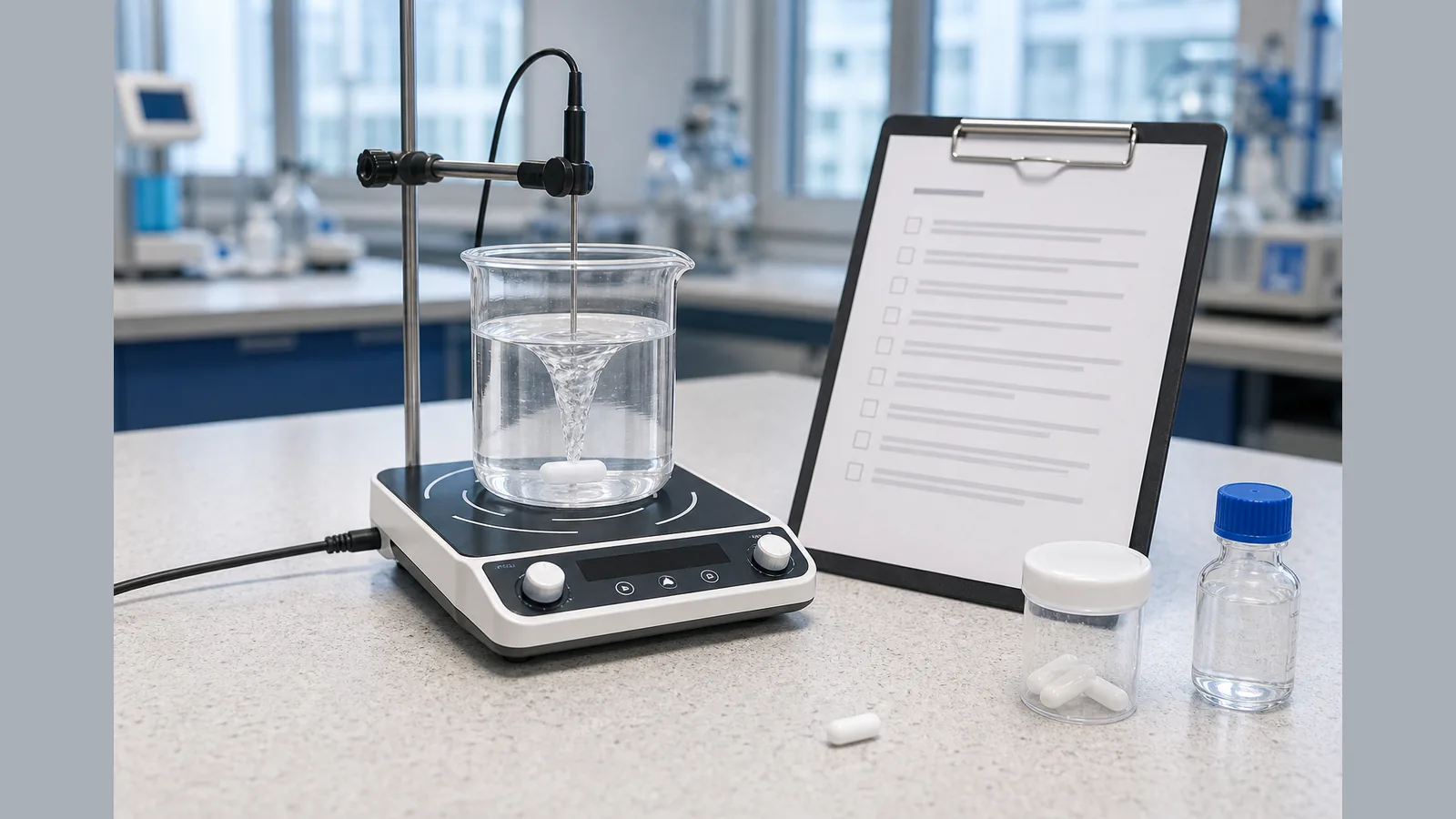
Hotplate stirrer lab safety checklist UK: A Practical UK Lab Guide
Direct UK answer first
A practical hotplate stirrer lab safety checklist UK starts with local COSHH assessment and your laboratory SOP, then covers PPE, heat-resistant handling, vessel stability, probe use where fitted, and a controlled cool-down—before you select any digital hotplate stirrer for routine mixing and heating work.
What the HS5C-class digital hotplate stirrer is for
An HS5C-class digital hotplate stirrer is typically used for combined stirring and heating tasks in chemical preparation and related lab work. Product ranges for laboratory hotplates and stirrers commonly cover magnetic stirrers, digital stirring hotplates, ceramic-top units and related mixing and heating equipment for preparation workflows.
For current listing context, see the current product details for the JOANLAB HS5C digital hotplate stirrer. Broader category context for laboratory hotplates and magnetic stirrers is also summarised in the Golyath laboratory hotplates and stirrers collection.
Claim-safe specs: only listing-verified plate/RPM/probe facts
Only treat as verified what the on-site listing states for this product class. The JOANLAB HS5C digital hotplate stirrer is positioned with a ceramic plate, an external temperature probe, and a stated 3L class capacity.
Do not rely on unverified maximum temperature or RPM figures beyond that listing text. Confirm any operating limits on the product detail page and in your own risk assessment before use.
Safety and lab practice notes
Using chemicals or other hazardous substances at work can put people’s health at risk. UK workplaces should follow HSE guidance on the Control of Substances Hazardous to Health (COSHH) for basics on harmful substances and how to prevent or reduce exposure. This article is not a substitute for local COSHH documentation or laboratory SOP.
When heating on a laboratory hotplate, established precautions include wearing proper lab attire—lab coats, safety goggles and closed-toed shoes—avoiding loose clothing that could contact the hotplate, and using heat-resistant handling methods. See also Munro Scientific tips on heating materials on a laboratory hotplate.
- Complete COSHH and method risk assessment before heating or stirring hazardous materials.
- Keep the work area clear of flammable clutter and trailing leads.
- Use suitable vessels and stirrer bars sized for the flask or beaker.
- Where an external temperature probe is used, place it so it monitors the sample safely without fouling the stirrer bar.
- Never leave unattended heating without an approved supervision plan.
- Allow the plate and vessel to cool before cleaning or storage.
Checklist or decision steps
- Confirm the task needs combined heating and magnetic stirring, and that a hotplate stirrer is the right tool versus alternatives.
- Check COSHH, SDS and local SOP for PPE, segregation and spill response.
- Verify listing facts only: ceramic plate, external temperature probe availability, and 3L class capacity for the HS5C-class unit under consideration.
- Inspect the plate, leads, controls and any probe cable before power-on.
- Set up PPE and heat-resistant tools; secure the vessel and stirrer bar.
- Start stirring before significant heating where the method requires it; monitor continuously.
- Shut down, cool, and record any deviations before leaving the bench.
Next step to product detail
If you are comparing an HS5C-class digital magnetic stirrer hot plate for UK lab use, review the listing-verified plate, probe and capacity details on the JOANLAB HS5C digital hotplate stirrer product page and match them to your COSHH-assessed method—not the other way round.
FAQ
Is this checklist a legal COSHH assessment?
No. It is a practical framing aid. Follow HSE COSHH guidance and your organisation’s documented controls.
What product facts can I quote for the HS5C?
Only listing-verified points: ceramic plate, external temperature probe, and stated 3L class capacity. Use confirmed details maximum temperature or RPM.
What PPE is commonly advised around hotplates?
Lab coat, safety goggles, closed-toed shoes, and avoidance of loose clothing that could contact the hot surface, as outlined in laboratory hotplate safety precautions.